

Conversational AI
What Is Agentic AI in Customer Service?
Najoomi Press
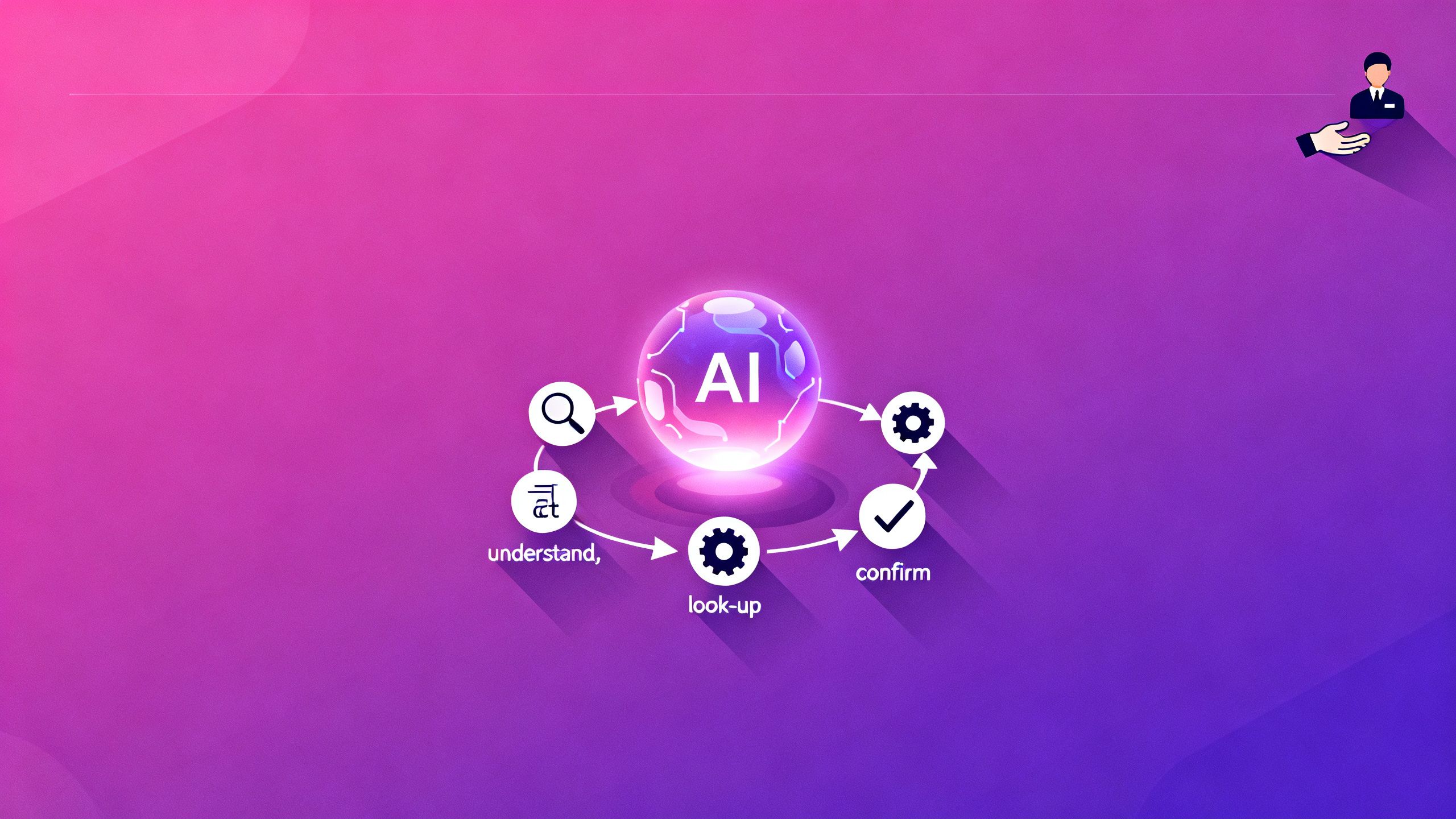
For years, "AI customer service" meant a chatbot that could answer questions — point you to an article, quote a policy, or, on a bad day, loop you back to the main menu. Agentic AI is a step change: instead of just replying, it acts. It understands what a customer wants, takes the steps needed to get it done, confirms the result, and knows when to bring in a human — all inside one conversation.
That shift from answering to resolving is the defining trend of AI customer service automation in 2026, and it's why 80% of companies now use AI in their support operations. This guide explains what agentic AI in customer service actually means, how it differs from the chatbots that came before, where it delivers the most value, and how to deploy it without handing over the keys.
An agentic AI is one that can pursue a goal through multiple steps and take action on the customer's behalf — not just generate a reply. Where a traditional chatbot answers a question, an agentic assistant resolves the underlying request. The difference comes down to a few core capabilities:
It's easy to blur the two, but the gap is significant:
Put simply: a chatbot tells you where the door is. An agentic assistant opens it for you.
Because it can take action, agentic AI unlocks work that older bots simply couldn't:
An agentic assistant is far more capable when it isn't trapped in one channel. Connected to an omnichannel customer support setup with a unified inbox and a single view of the customer, it can:
Isolated, agentic AI is a smarter FAQ that happens to click a few buttons. Connected, it becomes an active participant in one continuous customer relationship. (For the bigger picture, see Conversational AI for Customer Service.)
Giving an AI the ability to act raises the stakes, so the rollout deserves care. The teams that get it right follow a consistent playbook:
Done this way, agentic AI takes the repetitive volume off your team's plate while keeping the judgment calls firmly with humans.
Agentic AI is the moment customer service AI grew from answering into resolving. It understands, plans, acts, and knows when to step back for a human — which is precisely why so many companies are building it into their support. The winners in 2026 won't be the ones who automate the most actions; they'll be the ones who automate the right actions, set clear boundaries, design a graceful handoff, and connect it all into a single omnichannel customer support conversation. Start with safe, high-volume work, keep humans in the loop where it counts, and measure real resolutions — and agentic AI becomes less a risk and more your team's most productive teammate.
Zoom out with What Is Omnichannel Customer Support? and Omnichannel vs Multichannel. Go deeper on the tech in Conversational AI for Customer Service, see it applied in WhatsApp Business Automation, and get the numbers in Omnichannel Statistics for 2026. Ready to build? Explore customer support automation and QuickTalk solutions.